
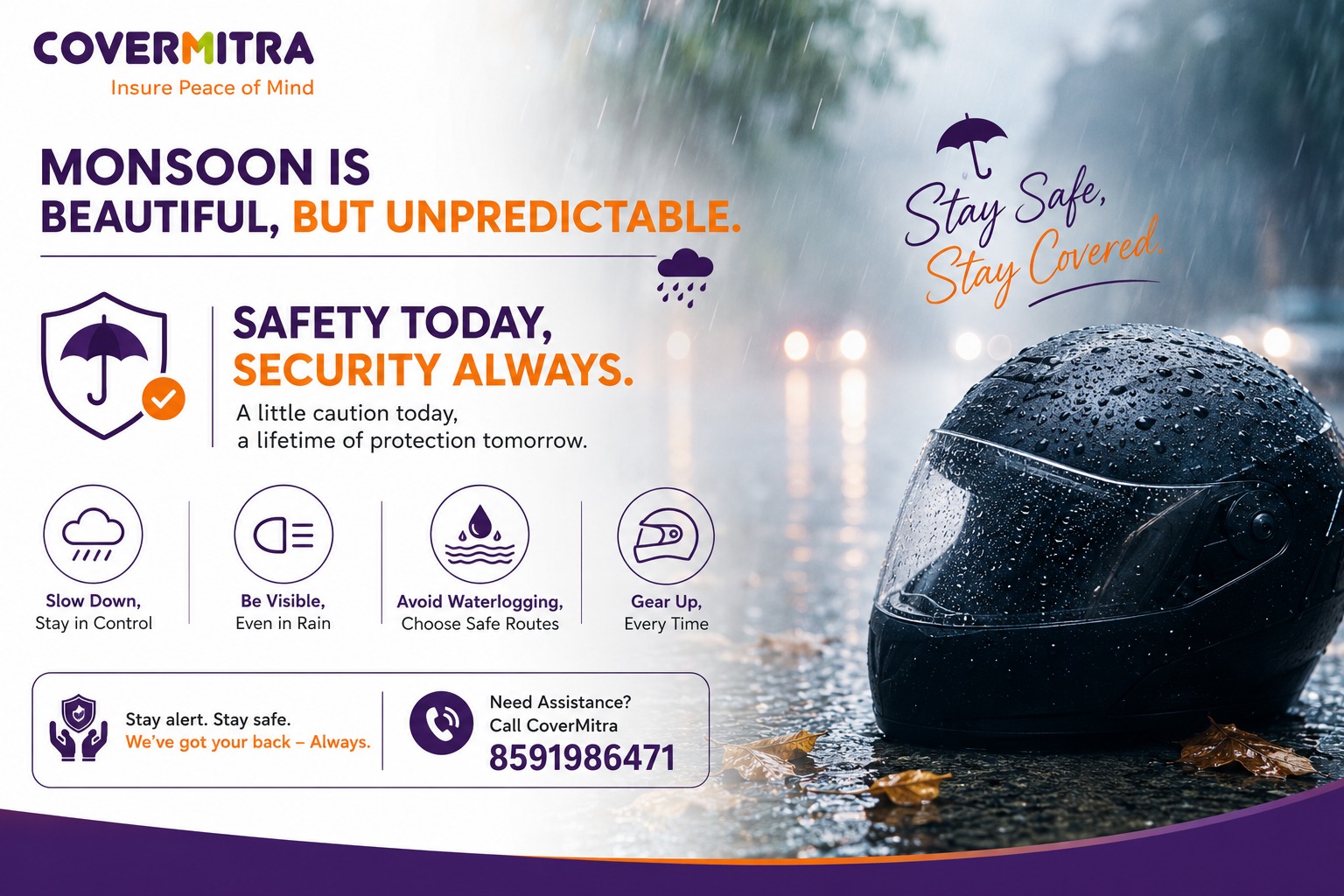
The monsoon season brings much-needed relief from the heat, but it also creates hazardous driving conditions. Waterlogged roads, poor visibility, and flooded streets can quickly turn a normal drive into a dangerous situation. If your car gets stuck in flood water, knowing the right steps can protect both your life and your vehicle.
Here’s what you should do if you find yourself stranded during heavy rain.
If your vehicle stalls in flood water, resist the temptation to restart it.
Water may have entered the engine, and trying to restart it can cause severe internal damage, often referred to as hydrostatic lock. This type of damage is expensive to repair and is often irreversible.
What to do instead:
Your vehicle can be repaired or replaced—your life cannot.
If the water level is rising, leave the vehicle immediately and move to higher ground. Never stay inside a car surrounded by rapidly rising floodwater.
Remember:
Don’t try to push or drive your car through floodwater.
Contact:
Professional assistance can prevent further damage and keep you safe.
Floodwater and electrical systems are a dangerous combination.
If you’re standing in water, avoid touching exposed metal parts of the vehicle. Electrical short circuits may create a risk of electric shock.
Stay at a safe distance until professional help arrives.
Floodwater can affect:
A professional inspection ensures your vehicle is safe before returning to the road.
Here are a few precautions every driver should take during monsoon:
Monsoon-related damages can lead to costly repairs. A Comprehensive Car Insurance Policy helps protect you against losses caused by:
Having the right insurance gives you peace of mind when unexpected situations arise.
Stay alert. Stay cautious. Stay safe this monsoon.
CoverMitra Insurance Broking Pvt. Ltd. is an IRDAI-authorized insurance broking firm that aims to simplify insurance for its customers to make Smart Choices.
IRDAI License No. 600 Valid till: 01/06/2026
Incorporation date 10/10/2016
Quick Links
1. Arson: Intentional fire-setting or fraudulent activity.
2. Vacant or unoccupied property: Extended periods of vacancy.
3. Acts of war and terrorism: Damage caused by war or terrorism.
4. Nuclear incidents: Damage from nuclear reactions or radiation.
5. Wear and tear or lack of maintenance: Gradual deterioration or neglect.
6. Consequential losses: Indirect or business interruption losses.
7. Illegal activities: Fire damage resulting from illegal acts.
8. Specific property types: Certain high-risk properties or violations.
Remember to refer to your policy documents for precise details
1. Arson: Intentional fire-setting or fraudulent activity.
2. Vacant or unoccupied property: Extended periods of vacancy.
3. Acts of war and terrorism: Damage caused by war or terrorism.
4. Nuclear incidents: Damage from nuclear reactions or radiation.
5. Wear and tear or lack of maintenance: Gradual deterioration or neglect.
6. Consequential losses: Indirect or business interruption losses.
7. Illegal activities: Fire damage resulting from illegal acts.
8. Specific property types: Certain high-risk properties or violations.
Remember to refer to your policy documents for precise details
Connect on WhatsApp